

Air cargo is the fastest way to get freight where it needs to go, but speed comes with conditions that ground shipping never puts on a box. Cargo is stacked tightly in aircraft containers, handled at multiple transfer points, screened for security, and exposed to cold temperatures and pressure changes along the way. Packaging that works fine on a truck can show up crushed, opened, or rejected after a flight.
Before you book your next air shipment, here are five packaging essentials worth getting right, and how to source each one through TOTALPACK®.
1. Corrugated Boxes – Strong and Right-Sized
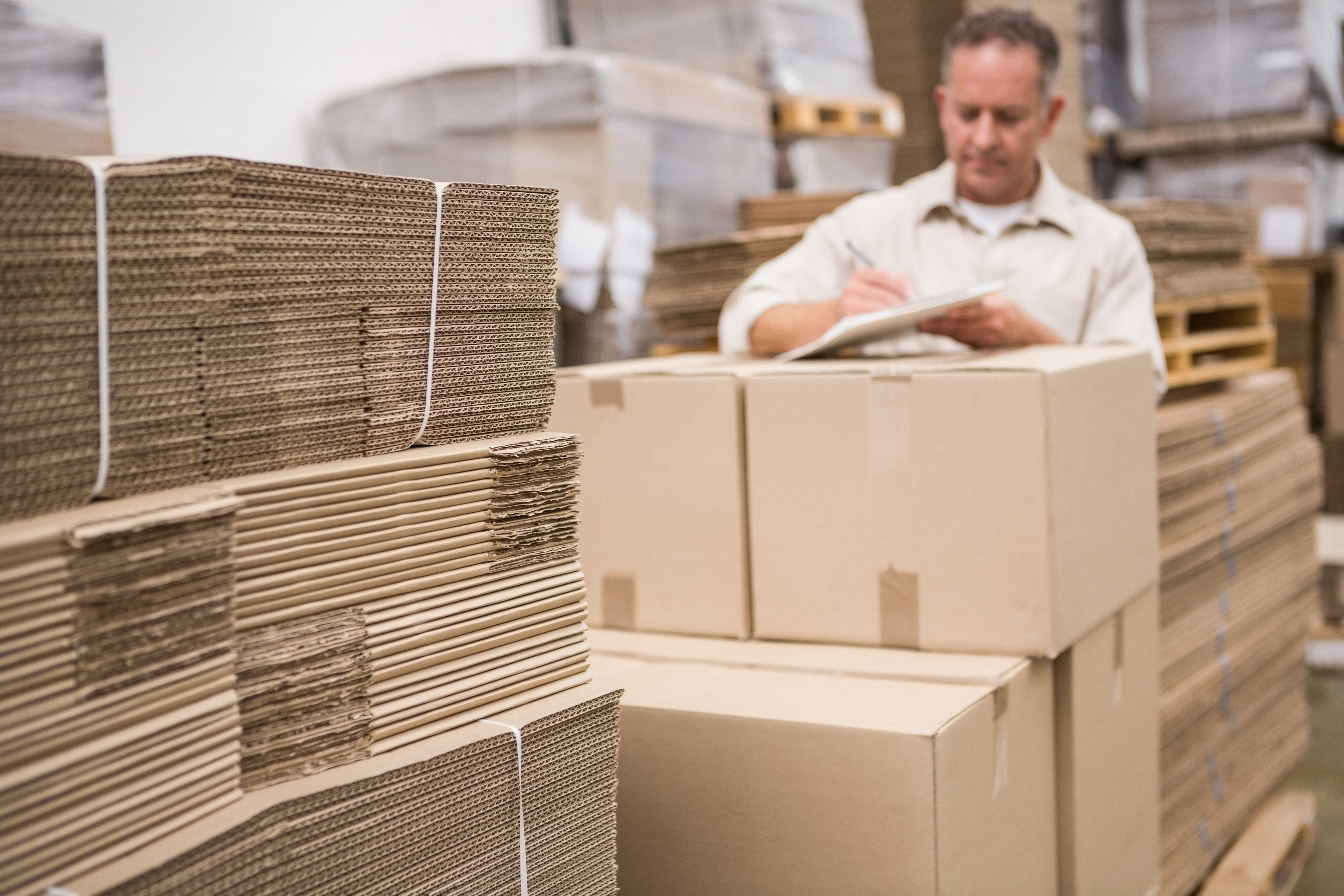
The box is your first line of defense, and in air freight it takes more abuse than usual: heavy stacking, fast loading, and several handoffs between origin and destination. Weak or reused boxes collapse inside aircraft containers, and oversized boxes drive up freight bills.
- Ship heavier or higher-value freight in new double-wall boxes, and lighter goods in strong single-wall boxes.
- Keep a range of sizes on hand so every product ships in a box that fits it, with less void fill.
- Tip: Air carriers typically bill on the greater of actual weight or dimensional weight. Right-sizing your box is one of the easiest ways to lower the cost of every air shipment.
2. Cushioning & Void Fill – Keep Contents Locked In
Vibration, turbulence, and quick handling at the airport all put stress on what's inside the box. Products that shift inside the carton are the ones that arrive damaged.
- Wrap fragile items in bubble wrap or foam to absorb shock.
- Fill empty space with packing paper or air pillows so contents stay in place from takeoff to delivery.
- Tip: Leave about two inches of cushioning between the product and every wall of the box, then give it a gentle shake before sealing. If you can hear or feel movement, add more fill.
3. Sealing Tape – Built for Cold and Pressure

Cargo holds can get cold, and the temperature swings between a warm loading dock and altitude are hard on adhesives. A seal that lifts in flight turns into an open box on arrival.
4. Tamper-Evident Sealing – Security You Can See
Air cargo goes through security screening, and packages can be opened for inspection along the way. You need to know if a box was opened, and your customer needs to trust what they receive.
- Reinforced water-activated tape bonds into the fibers of the box, so it can't be peeled back and reapplied without leaving clear signs.
- For higher volumes, a Better Pack 333 Plus gum tape dispenser keeps your packing line moving.
- Tip: Place a packing list inside every box. If a package is opened for inspection, the contents are easy to verify and the shipment gets back on its way faster.
5. Labels & Load Securing – Ready for Every Handoff
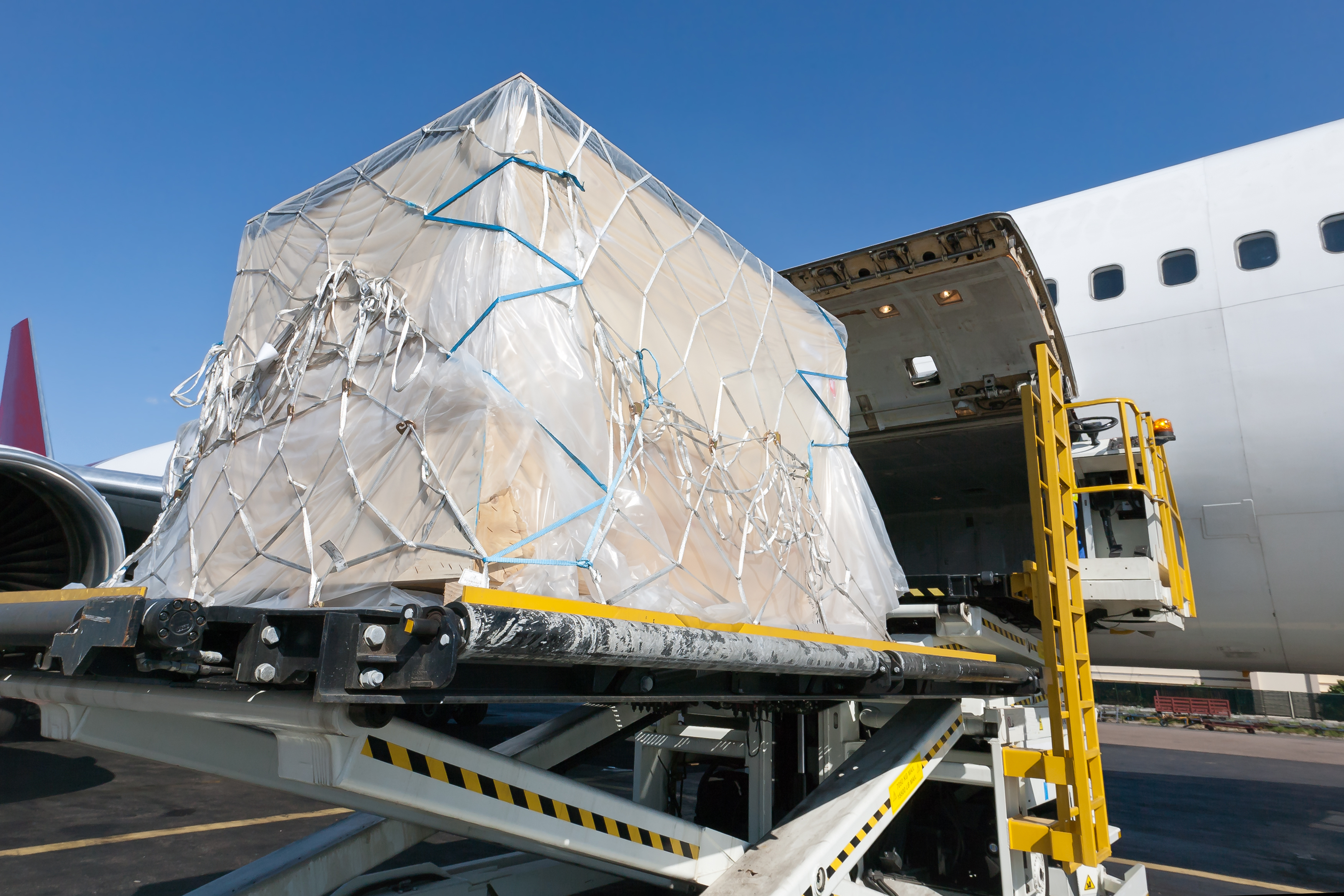
A shipment can be packed perfectly and still get delayed by a missing label, an unclear handling instruction, or a pallet that shifts during loading.
- Use shipping and handling labels such as "Fragile" and "This Side Up," and keep paperwork attached with packing list envelopes.
- For palletized air freight, secure the load with TOTALPACK® hand stretch film so cartons stay together through every transfer.
- Tip: Items like lithium batteries, aerosols, and flammable liquids are regulated for air transport and need proper hazardous material labels. Check with your carrier before booking, since undeclared hazardous materials can be refused or held.
- Shop Shipping & Handling Labels
Air cargo moves fast, but it's tougher on packaging than most shipping methods. By pairing strong, right-sized boxes with proper cushioning, cold-ready tape, tamper-evident seals, and clear labeling, you protect your product, avoid delays, and keep freight costs under control.
Getting ready for your next air shipment? Explore TOTALPACK®'s full range of shipping supplies and make air cargo prep one less thing to worry about.